
Introduction
The landscape of disability support is constantly evolving, and in 2025, assistive technology is playing a greater role than ever before. From mobility aids to digital communication tools, advancements in technology are helping individuals gain more independence, improve safety, and enhance quality of life.
For individuals looking for an NDIS provider near me, staying informed about the latest innovations can help in choosing services that offer the most relevant and effective support. This guide explores the new developments in assistive technology for 2025 and how they are being implemented by disability support providers across Australia.
What Is Assistive Technology?
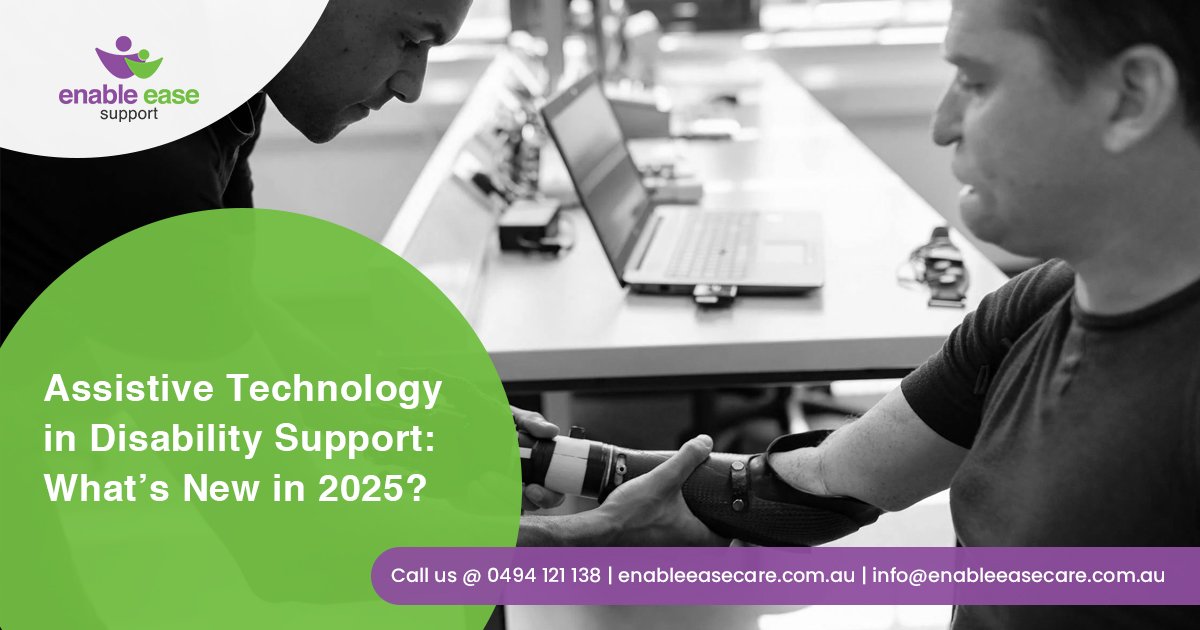
Assistive technology refers to devices, systems, and services that help individuals with disabilities perform daily tasks, improve mobility, communicate more effectively, and access the environment safely.
Examples of Assistive Technology:
- Mobility aids: smart wheelchairs, robotic walkers
- Communication tools: speech-to-text software, symbol boards
- Sensory tools: adaptive lighting, noise-cancelling devices
- Daily living aids: automatic feeders, smart home systems
- Wearable tech: health monitors, GPS trackers
NDIS-funded assistive technology is available through approved NDIS provider near me options, ensuring individuals have access to reliable solutions.
Latest Trends in Assistive Technology for 2025
1. Smart Home Integration
Home environments are becoming more intelligent with technology that adapts to the user’s needs.
- Voice-activated controls for lights, doors, and appliances
- Automated medication dispensers that remind users and notify carers
- Emergency alert systems integrated with mobile apps
- Environmental sensors for air quality, temperature, and motion
Many NDIS providers near me now offer home modification services that include these features, creating a safer and more supportive living space.
2. AI-Powered Mobility Devices
Mobility tools are being enhanced with artificial intelligence to help users navigate independently.
- Smart wheelchairs with obstacle detection and auto-navigation
- Robotic exoskeletons for assisted walking and rehabilitation
- Stair-climbing mobility scooters for improved access in multi-level spaces
These tools are helping individuals achieve greater freedom and reduce reliance on carers.
3. Augmented and Virtual Reality (AR/VR) for Therapy
AR and VR are now used in physical and cognitive therapy programs.
- Simulated environments help individuals practice social interactions
- Motor skill exercises in virtual games to promote rehabilitation
- VR relaxation rooms for sensory support and emotional regulation
These technologies are available through NDIS provider near me services offering therapeutic support and skill-building programs.
4. Wearable Health Technology
In 2025, wearables are more advanced and more accessible.
- Smartwatches with emergency SOS features and fall detection
- Heart rate and blood pressure monitors for ongoing health tracking
- Sleep monitoring tools that alert carers to disturbances
Wearables support remote health management, enabling NDIS providers near me to offer care even when support workers are not present.
5. Improved Communication Tools
For individuals with speech or hearing challenges, communication tools are now more personalized and effective.
- Text-to-speech apps with customizable voices and languages
- Real-time captioning during video calls and meetings
- Eye-tracking communication devices for individuals with limited mobility
These tools help users express themselves, stay connected, and participate in daily interactions with ease.
Benefits of Assistive Technology in Disability Support
✅ Promotes Independence
Technology reduces the need for full-time assistance, allowing individuals to manage tasks like cooking, hygiene, and communication on their own.
✅ Improves Safety and Well-Being
Automated alerts, fall detection, and emergency systems help prevent accidents and ensure timely intervention.
✅ Enhances Social Participation
Tech tools allow individuals to attend virtual events, connect with friends, and stay engaged in their communities.
✅ Supports Skill Development
From cognitive games to physical therapy simulations, assistive technology helps users build and maintain important life skills.
✅ Relieves Pressure on Caregivers
When individuals can perform more tasks independently, caregivers gain flexibility and peace of mind.
How NDIS Providers Are Integrating Assistive Technology
Many NDIS provider near me services now offer guidance, setup, and funding assistance for assistive technology. Here’s how they help:
- Assessing individual needs for assistive tech devices
- Recommending suitable tools based on daily goals
- Installing and demonstrating equipment
- Providing ongoing support and tech troubleshooting
- Helping navigate NDIS funding applications
If you’re unsure where to begin, your NDIS provider near me can assist with the entire process from selection to implementation.
Accessing Assistive Technology Through NDIS
Step 1: Identify Your Needs
Speak to your support coordinator or occupational therapist about which areas of life could be improved with assistive tech.
Step 2: Include Assistive Technology in Your NDIS Plan
Ensure that your NDIS plan includes funding for assistive technology. This may be under Core or Capital Support categories.
Step 3: Work with an NDIS Provider Near Me
Choose a provider who can supply, install, and support your chosen devices.
Step 4: Training and Use
Receive proper training to make full use of the technology and ensure it fits into your daily routine.
The Future of Assistive Technology in Disability Support
🔹 Greater Personalization Through AI
Artificial intelligence will make tech more adaptive, learning user preferences and adjusting automatically.
🔹 Broader Access and Affordability
As tech becomes mainstream, costs will drop, making high-end devices accessible to more NDIS participants.
🔹 Expanded Remote Services
Telehealth, virtual consultations, and remote support will continue to grow, especially in regional areas.
🔹 Enhanced Data Integration
Devices will sync with healthcare systems, allowing providers to monitor progress, adjust plans, and coordinate care more effectively.
Citations
- National Disability Insurance Scheme (NDIS). “Assistive Technology Explained.” NDIS.gov.au
- Australian Government Department of Health. “The Role of Technology in Modern Disability Support.” Health.gov.au
- Disability Tech Hub. “Top Assistive Technology Trends for 2025.” DisabilityTechHub.org